
 Routine maintenance
 Upgrading and renovating
 Emergency repair
 Maintenance of fire protection system
 Project inspection
 On-demand maintenance


Fire protection system maintenance is more than replacing expired extinguishers. A multi-storey building can have hundreds to thousands of devices: sprinkler heads, smoke detectors, valves, pumps, pressurisation fans, exit signs. Any device that is not checked on schedule may only be found faulty during a fire.
This guide is compiled by TECO MSC – the maintenance division of TECO Architecture and Construction JSC. It covers the maintenance intervals required by Vietnamese regulations, the fire protection maintenance checklist for each building type, and the order of work.
1. Maintenance intervals under current regulations
From 30 December 2025, maintenance intervals for fire protection equipment and systems follow section 1.5.13 of QCVN 10:2025/BCA, issued with Circular 103/2025/TT-BCA (summary on Thư viện pháp luật, Vietnamese):
| System / equipment | Minimum interval |
|---|---|
| Automatic fire alarm systems, standalone fire alarm devices | Once a year |
| Emergency lighting, exit signs | Once a year |
| Evacuation voice/speaker systems | Once a year |
| Outdoor fire water supply | Once a year |
| Indoor fire hose (standpipe) systems | Once a year |
| Automatic suppression systems (sprinkler, gas, aerosol…) | Once a year |
| Fire extinguishers | Every 6 months |
Where the equipment standard or manufacturer requires a shorter interval, the shorter interval applies.
2. Maintenance checklist by system
2.1. Water-based fire fighting
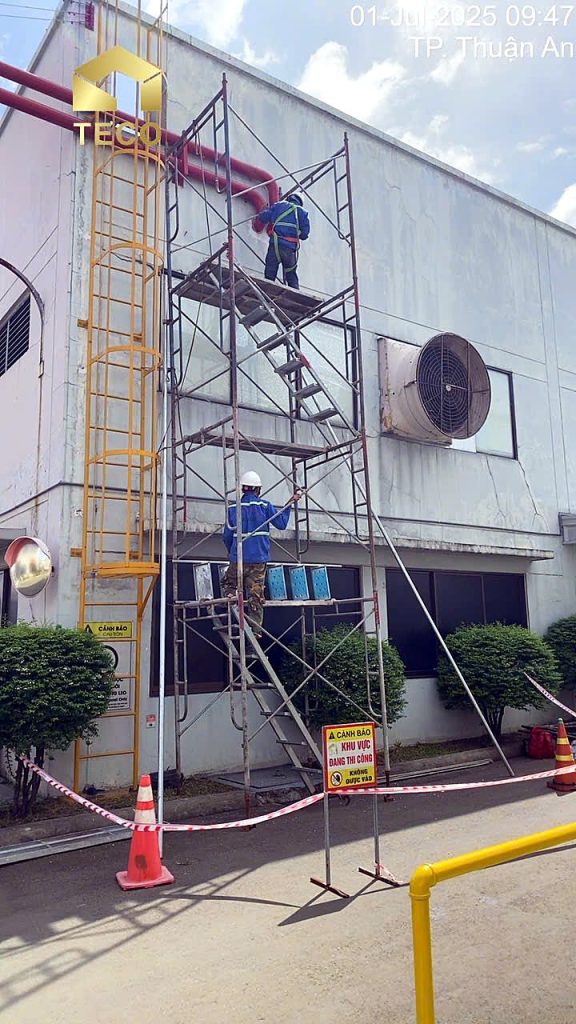
- Pump set (electric, jockey, diesel): run each pump; check the control panel, pressure switches and auto-start on pressure drop; clean the pump room.
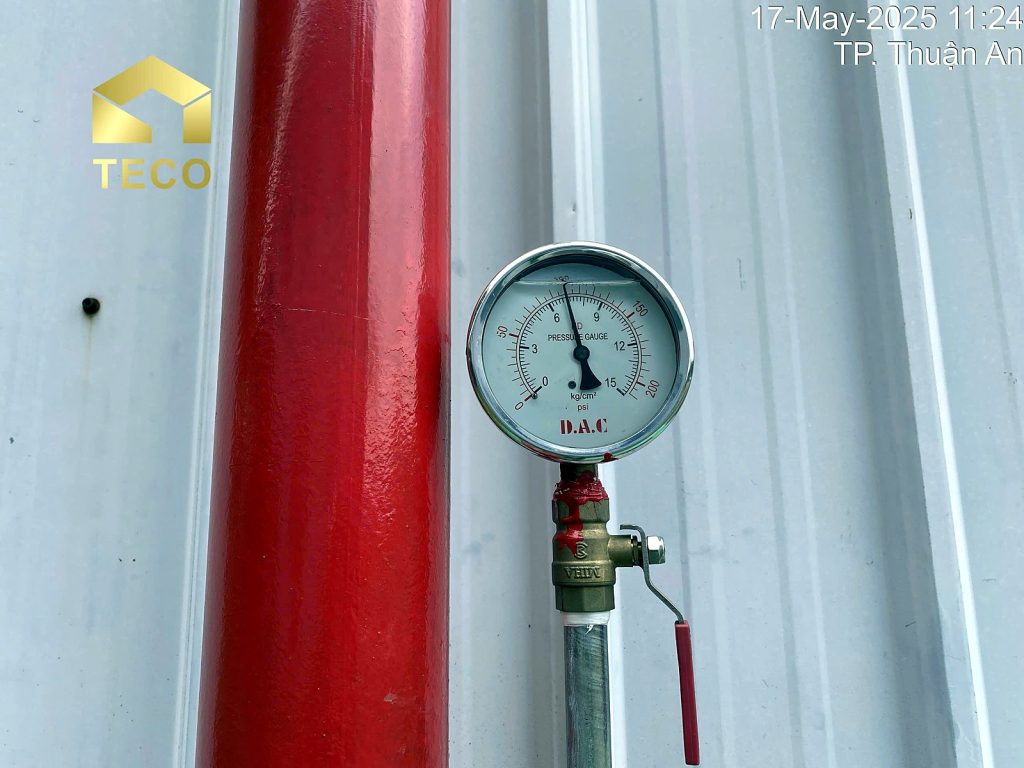
- Valves and gauges: gate valves, alarm valve assembly, pressure gauges, flow meters, flow switches, valve supervisory switches, floor drain valves, floor pressure-reducing valves.
- Sprinklers: look for heads painted over, dusty or obstructed; test flow switches at the floor drain valve.
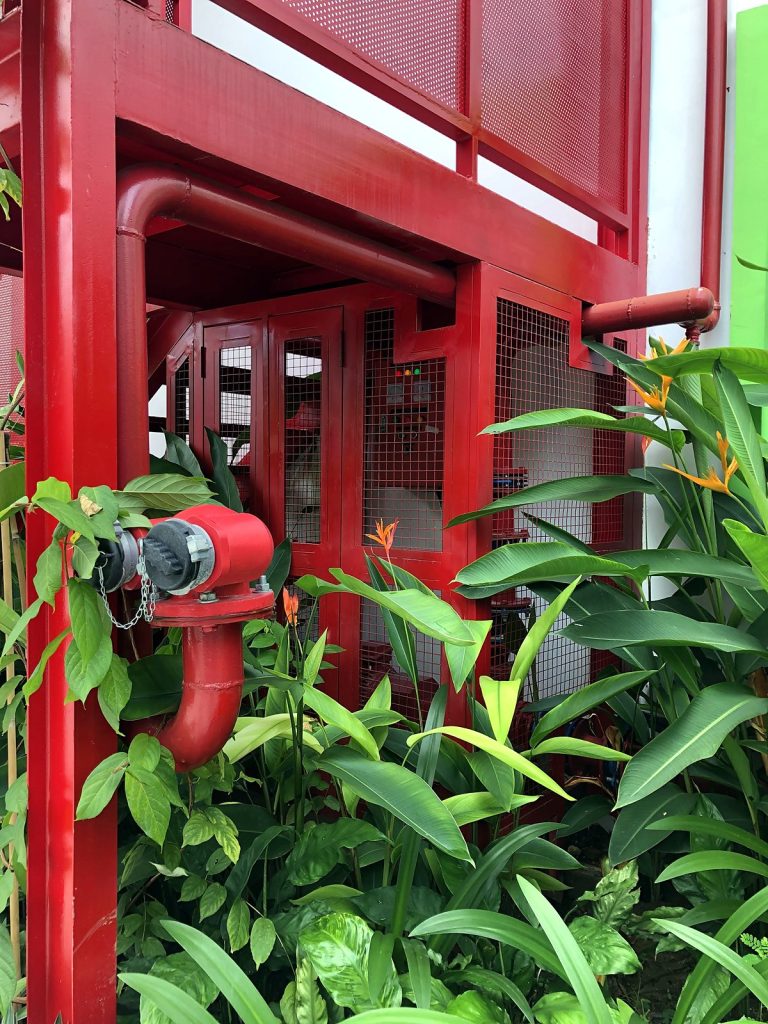
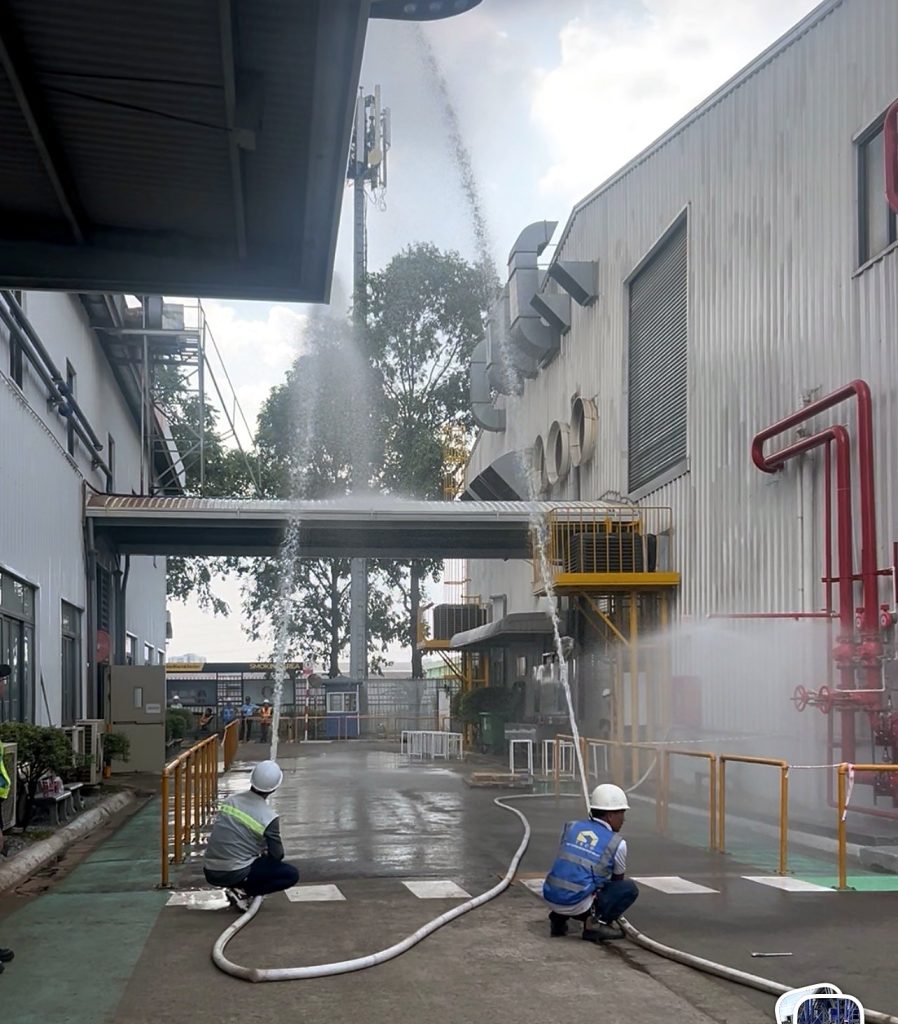
- Hose cabinets, hydrants, inlet connections: angle valves, hoses, nozzles, fire rules and instructions; flow test at outdoor hydrants.



2.2. Fire alarm system
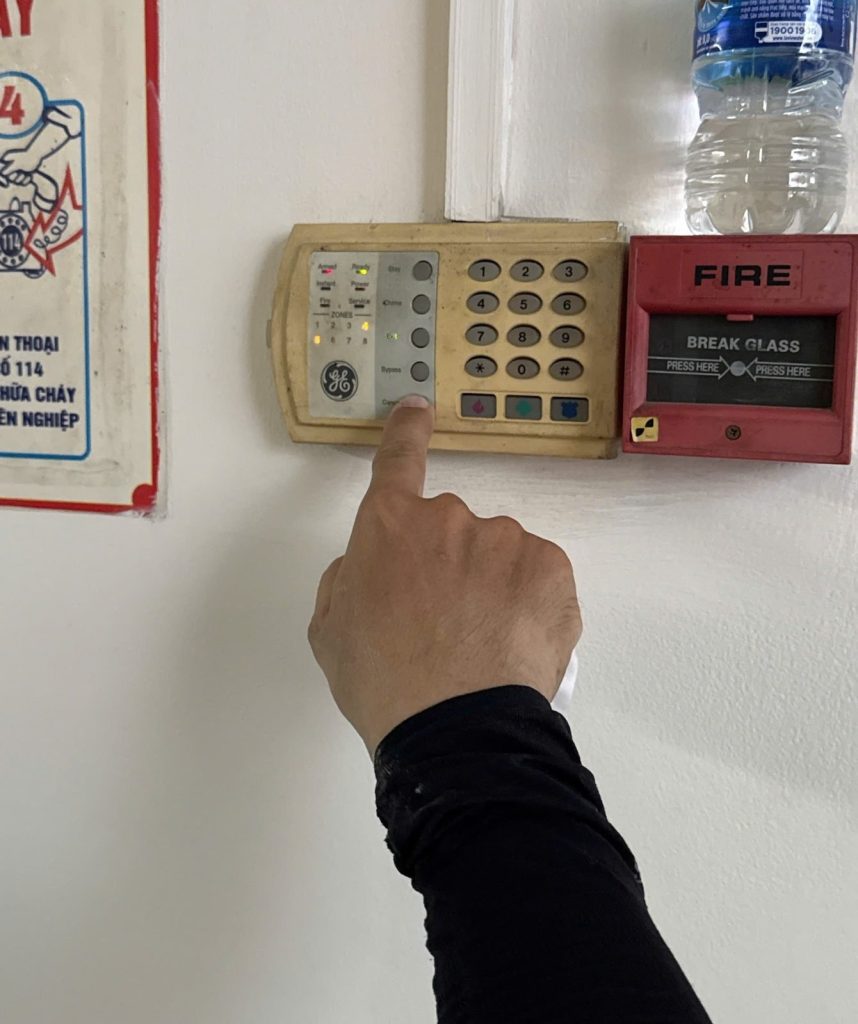
- Control panel: clean, check settings, standby batteries, each loop connection, fault history.
- Detectors, call points, sounders/beacons, modules: clean; test smoke detectors with test aerosol and heat detectors with a heat tool; confirm every device signals the panel.
- Cause and effect: simulate a fire signal and check pressurisation/smoke fans, fire shutters and lift homing (where designed).



2.3. Gas, aerosol and early-warning detection
Check the release control panel, release and abort buttons, detectors, batteries and cylinder condition (expiry, mounting). For aspirating smoke detection (ASD/VESDA), check sampling pipes and filters. Never trigger a real discharge during testing – simulate signals only.

2.4. Stair pressurisation and smoke extraction
Clean fans and control panels; check auto/manual modes; measure stair pressure differential; inspect smoke extract grilles; test interlock with the fire alarm.
2.5. Exit signs, emergency lights, extinguishers, exit doors
Discharge and recharge exit/emergency light batteries; checklist every extinguisher (pressure, pin, hose, expiry); check exit door hardware and fire shutter rails and motors.
3. Fire protection maintenance by building type
3.1. Schools
- All items in section 2; prioritise smoke detectors (chalk and playground dust cause false alarms).
- Manual call points and break-glass units: check for damage by students.
- Extinguishers: in place, pin intact, pressure OK.
- Smoke fans in halls, multi-purpose rooms and gyms.
- Exit signs and emergency lights in corridors and stairs; exit doors not locked during school hours.
- Schedule: outside school hours, avoiding exam periods.
3.2. Office buildings
- All items in section 2; stair pressurisation, corridor and basement smoke extraction.
- After each tenant fit-out: recheck sprinkler and detector positions, obstructions, and signal connections to the panel.
- Fire doors and stair doors: door closers, self-closing.
- Schedule: after hours and weekends; notify each floor before cause-and-effect tests.
3.3. Language centres
- Fire alarm, exit/emergency lights, extinguishers, automatic extinguisher balls, sprinklers (if any).
- Escape routes: keep desks and bookshelves clear of doors and corridors.
- Leased space in a building: coordinate with building management when testing signals to the main panel.
- Multi-site chains: one shared checklist, one schedule for the whole chain, outside class hours.
3.4. Premium apartments
- Common areas (building management): pump room, fire water tank, basement sprinklers, stair pressurisation, corridor smoke extraction, fire alarm, exit signs, fire doors.
- Inside apartments: sprinklers, detectors, sounders – book each owner in advance and work floor by floor.
- After owner renovations: check sprinklers hidden by ceilings or cabinets and detectors that were removed.
3.5. Data centres
- Gas/aerosol suppression in server, UPS and electrical rooms; ASD/VESDA early-warning detection.
- Room integrity (doors, wall penetrations) to hold agent concentration.
- Cause-and-effect tests with release outputs isolated and approved by the operator in advance; no disruption to IT systems.
- Fire alarm, exit signs, CO2 extinguishers for electrical areas.
4. Order of work
Step 1 – Survey and equipment register
Count and list equipment by system and floor. This is the basis for the quotation and the acceptance checklist.
Step 2 – Work plan
Agree time windows (outside class or office hours, weekends), protected areas and the owner’s contact person.
Step 3 – Inspect and test each device
Follow the checklist in section 2; record pressures, voltages, faulty devices with location and photos.
Step 4 – System cause-and-effect test
Simulate a fire signal and check the chain: sounders – pumps – pressurisation/smoke fans – shutters.
Step 5 – Report and replacement proposal
Hand over the report, the list of faulty devices and replacement proposals. Replacement parts, refurbishment and equipment certification are not included in the maintenance package – they are quoted separately after inspection so the owner can plan the budget.
5. Common faults found during maintenance
- Pumps left in manual mode after a previous repair and not auto-starting.
- Weak batteries in fire alarm panels and exit lights that no longer hold the required time.
- Dusty smoke detectors causing false alarms; users removing detectors instead of cleaning them.
- Sprinkler heads painted over during ceiling repainting.
- Extinguishers losing pressure, missing pins or moved from their position.
6. FAQ
How often should a fire protection system be maintained?
Under QCVN 10:2025/BCA: fire alarm, water-based and automatic suppression systems, emergency and exit lights at least once a year; extinguishers at least every six months.
Does the maintenance package include replacing equipment?
No. It covers inspection, cleaning, testing and adjustment. Faulty devices are listed and quoted separately.
Does the building need to shut down?
No. TECO MSC works outside class or office hours and at weekends; occupants are notified before cause-and-effect tests.
Fire protection maintenance enquiries
TECO MSC surveys, builds the equipment register and quotes fire protection maintenance for schools, offices, language centres, apartments, data centres and factories in Ho Chi Minh City and southern provinces.
Hotline: 0911 111 929
See also: Fire protection system maintenance · Routine maintenance · On-demand maintenance